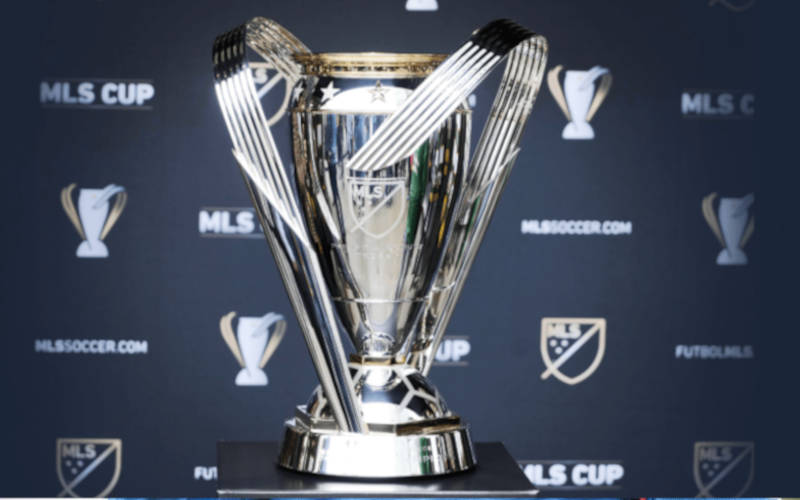
The MLS Cup is the championship game of Major League Soccer, the top-tier professional soccer league in the United States and Canada. This annual event marks the culmination of a long and grueling season for teams across the league. For American soccer fans, the MLS Cup is a highly anticipated event showcasing some of North America’s best talents.
Since its inception in 1996, the MLS Cup has become integral to American sports culture. It has helped to elevate soccer’s status within the United States and has given fans a chance to witness some truly memorable moments on the field. In this article, we will closely examine what exactly the MLS Cup is, its history, format, significance, notable moments, and future.
History of the MLS Cup
In the year 1996, history was made with the inaugural MLS Cup. The competitors in question were none other than D.C. United and Los Angeles Galaxy went head-to-head at Foxboro Stadium in Massachusetts. In a thrilling match that kept fans on edge, D.C. United emerged as champions with a final score of 3-2. Ever since then, each season has climaxed with an MLS Cup final.
Over time, changes were made to how teams qualified for the tournament and how it was structured. Initially, only four teams made it to playoffs, with two semifinals followed by one final game. However, by 2001 this had expanded to ten teams with conference championships preceding a single national championship game.
In recent years there have been further expansions and changes due to COVID-19 pandemic restrictions which saw last year’s tournament being held in Florida instead of home venues or neutral sites.
Format of The MLS Cup
To qualify for participation in the MLS cup tournament, each year, teams must finish among one of seven places from each conference, i.e. Eastern Conference & Western Conference; finalists are determined through knockout rounds leading up to semifinals and finals matches which occur on separate weekends (one week apart).
The knockout rounds consist of single elimination games with higher-seeded teams hosting lower-seeded ones until there are four remaining clubs per conference left standing – these then compete against each other over two legs to determine who goes through their respective conference finals where only one team will emerge as champions.
Finally comes The Final, which sees both champions meet head-to-head over one match at a predetermined neutral venue that rotates each year between cities across North America determined via a bidding process similar to Super Bowl or Final Four bids.
Significance Of Winning The MLS Cup
For many players and coaches, winning an MLS cup represents one of their greatest career achievements in their careers (s). This isn’t just because it’s considered an accomplishment but also because doing so can lead directly to international opportunities such as playing for national squads or European leagues where higher salaries await them.
For clubs themselves, winning brings increased exposure not just domestically but worldwide too, since competitions like Copa Libertadores or CONCACAF Champions League offer direct entry spots contingent on winning domestic leagues and cups such as those provided by Major League Soccer (MLS).
Moreover, prize money associated with winning these trophies is significant enough so that even smaller market franchises can benefit financially from making deep runs into postseason tournaments like playoffs or cups leading up to Finals matchday itself, providing additional revenue streams beyond just ticket sales merchandise deals broadcast rights etcetera generating more income overall compared simply playing regular-season games without postseason implications attached thereof.
Notable Moments In The History Of The MLS Cup
Over time several unforgettable moments have happened during different editions, all contributing towards making this competition special:
In 2001 San Jose Earthquakes won their first-ever title thanks largely due heroic performances by goalkeeper Joe Cannon who saved three penalty kicks, helping his team clinch victory over L.A. Galaxy, who had David Beckham, amongst others starring for them back then;
In 2014 Landon Donovan announced his retirement immediately after scoring a goal that helped L.A. Galaxy win a record fifth title, making him the most successful player ever when it comes to carrying off league-wide honors;
Earlier in the same decade, Seattle Sounders became the first expansion franchise to reach multiple finals losing their debut appearance before finally lifting the trophy two years later. At the same time, Toronto F.C. did likewise, finishing runners-up twice before finally breaking through third time lucky under the leadership of Michael Bradley, Sebastian Giovinco, and Jozy Altidore.
And let’s not forget Columbus Crew SC, whose historic run last year saw them lift the trophy despite facing numerous obstacles along the way, including an ownership battle against Anthony Precourt, relocating to Austin, Texas, unprecedented global pandemic impact among other factors – all while still dealing longstanding issues systemic racism problems afflicting sports society alike.
Future Of The MLS Cup
Looking ahead future seems bright for this competition thanks to the continued growth potential Major League Soccer enjoys, plus ever-increasing interest shown by media and commercial partners alike keen to capitalize upon the success achieved thus far.
To date, broadcasting rights deals signed both domestically and abroad set new records in terms of revenue generated per annum. At the same time, attendance figures continue to impress. Although the COVID-19 pandemic put paid to any aspirations of achieving sell-out crowds last season, delays in scheduling, uncertainty surrounding the upcoming campaign possible impact on health safety protocols place going forward regarding fan participation remains unclear stage nevertheless, plenty of reasons to be optimistic about elsewhere too including prospect young talents emerging scene developing into genuine stars international level representing country pride joy while showcasing skills honed playing competitive environments provided only here USA/Canada own backyard rather than overseas academies Europe, Latin America, Africa, Asia etc.
Conclusion
In conclusion, we hope you’ve enjoyed reading about what makes Major League Soccer’s premier competition unique. Whether you’re a longtime fan newcomer or a sport altogether intrigued, possibilities lie ahead in the coming seasons. Either way, there is much reason to get excited looking ahead future holds stores us all alike!